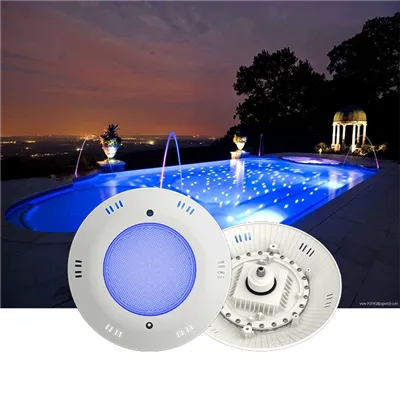
As a supplier of Fiberglass Pool LED Lights, I often get questions from customers about various aspects of these lights, and one question that comes up quite frequently is whether fiberglass pool LED lights are affected by UV rays. In this blog post, I'll delve into this topic, exploring the science behind it and providing practical insights for pool owners and industry professionals.
Understanding UV Rays and Their Impact on Materials
UV rays, or ultraviolet rays, are a part of the electromagnetic spectrum with wavelengths shorter than visible light. They are divided into three categories: UVA, UVB, and UVC. UVC rays are mostly absorbed by the Earth's atmosphere and do not reach the surface, while UVA and UVB rays can have significant effects on various materials.
When it comes to pool environments, water can act as a filter for some UV rays, but a significant amount still reaches the pool's interior, including the LED lights. UV rays can cause a range of issues for materials, such as discoloration, embrittlement, and degradation of the chemical structure. These effects can compromise the performance and longevity of the products exposed to them.
How Fiberglass Pool LED Lights Are Designed to Withstand UV Rays
1. Quality of Materials
At our company, we understand the importance of using high - quality materials in the manufacturing of Fibreglass Pool Lights. The outer casing of our LED lights is typically made from materials that are resistant to UV rays. For example, we use polycarbonate plastics that have been specially formulated to withstand long - term exposure to sunlight. These plastics are treated with UV stabilizers, which help to prevent the breakdown of the material due to UV radiation.
2. Coating and Encapsulation
Another measure we take is to apply protective coatings to the LED components. These coatings act as a barrier between the sensitive electronic parts of the light and the UV rays. Additionally, the LEDs are encapsulated in a protective resin that not only provides waterproofing but also shields the internal components from UV damage. This encapsulation process ensures that the light's performance remains stable over time, even in the face of continuous UV exposure.
3. Testing and Certification
Before our Led Lights For Fiberglass Pools are released to the market, they undergo rigorous testing to ensure their resistance to UV rays. We follow industry standards and conduct accelerated aging tests, where the lights are exposed to high - intensity UV light for extended periods. This allows us to simulate years of real - world exposure in a relatively short time. Only after passing these tests do our products receive the necessary certifications, which give our customers peace of mind knowing that the lights are built to last.
Potential Effects of UV Rays on Fiberglass Pool LED Lights
1. Cosmetic Changes
Over time, even the most UV - resistant materials may show some cosmetic changes. The outer casing of the LED light may experience a slight yellowing or fading. While this does not affect the functionality of the light, it can be a concern for some pool owners who want their pool to look aesthetically pleasing. However, these changes are usually minimal and occur over a long period.
2. Reduced Lifespan
In extreme cases, if the UV protection measures are not sufficient, UV rays can cause damage to the internal components of the LED light. This can lead to a reduced lifespan of the light. For example, the UV radiation can break down the electrical connections within the light, causing it to malfunction or fail prematurely. However, with our high - quality products, this risk is significantly minimized.


Mitigating the Effects of UV Rays on Fiberglass Pool LED Lights
1. Proper Installation
Proper installation of Fiberglass Pool Light Niche is crucial in protecting the LED lights from excessive UV exposure. The light niche should be installed in a way that provides some shade or protection from direct sunlight. For example, it can be placed in a recessed area of the pool wall or under a ledge. This helps to reduce the amount of UV rays that reach the light, thereby extending its lifespan.
2. Regular Maintenance
Regular maintenance of the pool and the LED lights is also important. This includes cleaning the lights regularly to remove any dirt or debris that may accumulate on the surface. A clean surface allows the light to function more efficiently and also helps to prevent any potential damage caused by the buildup of contaminants that could interact with the UV rays.
3. Use of Pool Covers
Using a pool cover when the pool is not in use can significantly reduce the exposure of the LED lights to UV rays. Pool covers block a large portion of the sunlight, including the UV rays, from reaching the pool and its components. This simple measure can go a long way in protecting the lights and other pool equipment.
Conclusion
In conclusion, while fiberglass pool LED lights can be affected by UV rays, with proper design, manufacturing, installation, and maintenance, these effects can be minimized. At our company, we are committed to providing high - quality Led Lights For Fiberglass Pools that are built to withstand the harsh pool environment, including UV exposure.
If you are in the market for fiberglass pool LED lights or have any questions about our products, we encourage you to reach out to us. Our team of experts is ready to assist you in finding the right lighting solution for your pool. Whether you are a pool owner looking to upgrade your pool's lighting or a professional in the pool industry, we can provide you with the information and products you need. Contact us today to start a discussion about your pool lighting requirements.
References
- ASTM International. (20XX). Standard test methods for evaluating the effects of UV radiation on plastics and other non - metallic materials.
- Pool & Spa News. (20XX). The impact of UV rays on pool equipment.
- Lighting Research Center. (20XX). Understanding the effects of UV on LED lighting systems.