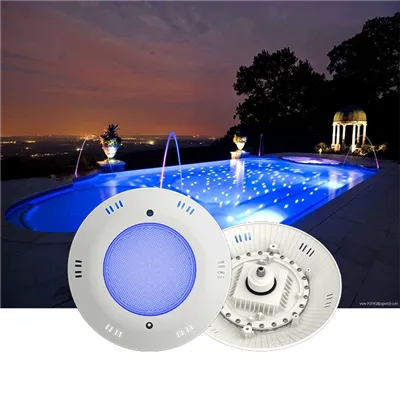
As a supplier of Inground Pool LED Lights, I've encountered numerous inquiries from customers regarding the potential impact of pool filtration systems on these lights. This topic is not only crucial for maintaining the optimal performance of pool lighting but also for ensuring the longevity and safety of the lighting fixtures. In this blog, I'll delve into the relationship between inground pool LED lights and pool filtration systems, exploring how they interact and what pool owners need to be aware of.
Understanding Inground Pool LED Lights
Inground Pool LED Lights have revolutionized the way we illuminate swimming pools. These lights offer a plethora of benefits, including energy efficiency, long lifespan, and a wide range of color options. Unlike traditional incandescent or halogen lights, LED lights consume significantly less energy, which can lead to substantial cost savings over time. Additionally, LED lights are more durable and resistant to shock and vibration, making them ideal for use in a pool environment.
The Inground Pool LED Light is designed to be installed directly into the pool wall or floor, providing a beautiful and ambient lighting effect. These lights are typically waterproof and sealed to prevent water from entering the fixture, ensuring safe and reliable operation. Some LED lights also come with advanced features such as remote control, color-changing capabilities, and programmable lighting sequences, allowing pool owners to customize the lighting to suit their preferences.
How Pool Filtration Systems Work
Pool filtration systems play a vital role in maintaining the cleanliness and clarity of pool water. These systems work by removing debris, dirt, and other contaminants from the water, preventing them from accumulating and causing problems such as cloudy water, algae growth, and clogged filters. There are several types of pool filtration systems available, including sand filters, cartridge filters, and diatomaceous earth (DE) filters.
Sand filters are the most common type of pool filter and work by passing the pool water through a bed of sand. The sand acts as a physical barrier, trapping debris and contaminants as the water passes through. Cartridge filters, on the other hand, use a replaceable cartridge to filter the water. These filters are more efficient than sand filters and require less maintenance. DE filters are the most advanced type of pool filter and use a fine powder made from diatomaceous earth to filter the water. These filters are capable of removing even the smallest particles from the water, providing the cleanest and clearest pool water.
Potential Impact of Pool Filtration Systems on Inground Pool LED Lights
While pool filtration systems are essential for maintaining the cleanliness of pool water, they can potentially have an impact on inground pool LED lights. One of the main concerns is the water flow created by the filtration system. The high-speed water flow can cause the LED lights to vibrate, which can lead to premature failure of the light fixture. Additionally, the water flow can also cause the LED lights to move or shift, which can affect the lighting effect and potentially damage the light fixture.
Another potential issue is the chemicals used in the pool filtration system. Chlorine and other chemicals are commonly used to sanitize the pool water and prevent the growth of bacteria and algae. However, these chemicals can be corrosive and can damage the LED lights over time. The chemicals can also cause the plastic or rubber components of the light fixture to degrade, leading to leaks and other problems.
Minimizing the Impact of Pool Filtration Systems on Inground Pool LED Lights
To minimize the impact of pool filtration systems on inground pool LED lights, there are several steps that pool owners can take. First, it's important to ensure that the LED lights are properly installed and secured. This includes using the correct mounting hardware and following the manufacturer's installation instructions. Additionally, it's a good idea to use vibration-dampening materials such as rubber gaskets or pads to reduce the vibration caused by the water flow.
Another important step is to maintain the pool water chemistry within the recommended range. This includes regularly testing the water and adjusting the chemical levels as needed. By keeping the pool water chemistry balanced, you can reduce the risk of corrosion and damage to the LED lights. It's also a good idea to use a pool cover when the pool is not in use to protect the LED lights from the elements and reduce the amount of debris that enters the pool.
The Benefits of Using High-Quality Inground Pool LED Lights
Investing in high-quality inground pool LED lights is essential for ensuring the long-term performance and reliability of the lighting system. High-quality LED lights are designed to withstand the harsh pool environment and are less likely to be affected by the water flow and chemicals used in the pool filtration system. Additionally, high-quality LED lights typically come with a longer warranty, providing peace of mind for pool owners.
As a supplier of Inground Pool LED Light, I offer a wide range of high-quality LED lights that are specifically designed for use in swimming pools. Our lights are made from durable materials and are tested to ensure they meet the highest standards of quality and performance. We also offer a variety of lighting options, including color-changing lights, programmable lights, and energy-efficient lights, allowing pool owners to choose the lighting that best suits their needs and preferences.
Conclusion
In conclusion, while pool filtration systems can potentially have an impact on inground pool LED lights, there are steps that pool owners can take to minimize this impact. By ensuring that the LED lights are properly installed and secured, maintaining the pool water chemistry within the recommended range, and investing in high-quality LED lights, pool owners can enjoy beautiful and reliable pool lighting for years to come.


If you're interested in learning more about our Inground Pool LED Light products or have any questions about the impact of pool filtration systems on LED lights, please don't hesitate to contact us. We'd be happy to assist you with your pool lighting needs and help you choose the best lighting solution for your pool.
References
- "Pool Filtration Systems: How They Work and Why They're Important." Pool Research, 2023.
- "LED Lighting for Pools: Benefits and Considerations." Lighting Science Group, 2023.
- "Maintaining Your Pool's Water Chemistry." The Spruce, 2023.