


As a supplier of Garden Spike Lights, I often encounter inquiries about the suitability of our products in various garden settings. One question that frequently arises is whether garden spike lights can be used in a Japanese garden. In this blog post, I will explore this topic in depth, considering the unique characteristics of Japanese gardens and how our Garden Spike Lights can enhance their beauty and functionality.
Understanding Japanese Gardens
Japanese gardens are a profound expression of nature, art, and philosophy. They are designed to create a harmonious and serene environment that reflects the principles of Zen Buddhism, such as simplicity, tranquility, and the appreciation of natural beauty. Key elements of Japanese gardens include:
- Water Features: Ponds, streams, and waterfalls are common in Japanese gardens, symbolizing purity, tranquility, and the cycle of life.
- Rocks and Stones: Rocks are used to represent mountains, islands, or other natural features. They are carefully placed to create a sense of balance and harmony.
- Plants: Japanese gardens often feature a variety of plants, including bonsai trees, bamboo, moss, and flowering shrubs. These plants are selected for their aesthetic appeal and symbolic significance.
- Tea Houses and Pavilions: These structures provide a place for contemplation and relaxation, as well as a focal point in the garden.
- Paths and Bridges: Gravel or stone paths wind through the garden, guiding visitors and creating a sense of movement. Bridges are used to cross water features and add visual interest.
The Role of Lighting in Japanese Gardens
Lighting plays a crucial role in Japanese gardens, enhancing the beauty of the landscape and creating a peaceful and inviting atmosphere. Traditionally, Japanese gardens use natural light, such as moonlight and sunlight, to illuminate the space. However, artificial lighting can also be used to extend the enjoyment of the garden into the evening hours and highlight specific features.
When choosing lighting for a Japanese garden, it is important to consider the following principles:
- Simplicity: Japanese design emphasizes simplicity and minimalism. Lighting fixtures should be understated and blend in with the natural surroundings.
- Natural Colors: Warm, natural colors, such as amber and golden hues, are preferred in Japanese gardens. These colors create a cozy and inviting atmosphere.
- Subtlety: Lighting should be used to enhance the beauty of the garden, not overpower it. Subtle lighting effects, such as uplighting and downlighting, can create a sense of depth and texture.
- Functionality: Lighting should also serve a practical purpose, such as providing safe passage along paths and steps.
Can Garden Spike Lights Be Used in a Japanese Garden?
The answer is yes! Garden Spike Lights can be a great addition to a Japanese garden, as long as they are selected and installed carefully to complement the garden's aesthetic and principles. Here are some ways that garden spike lights can enhance a Japanese garden:
Highlighting Plants and Trees
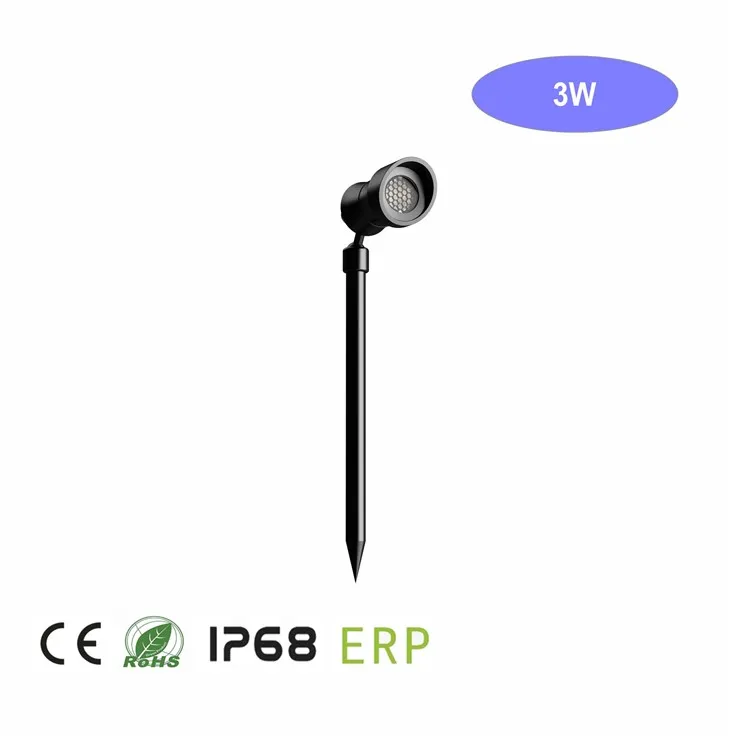
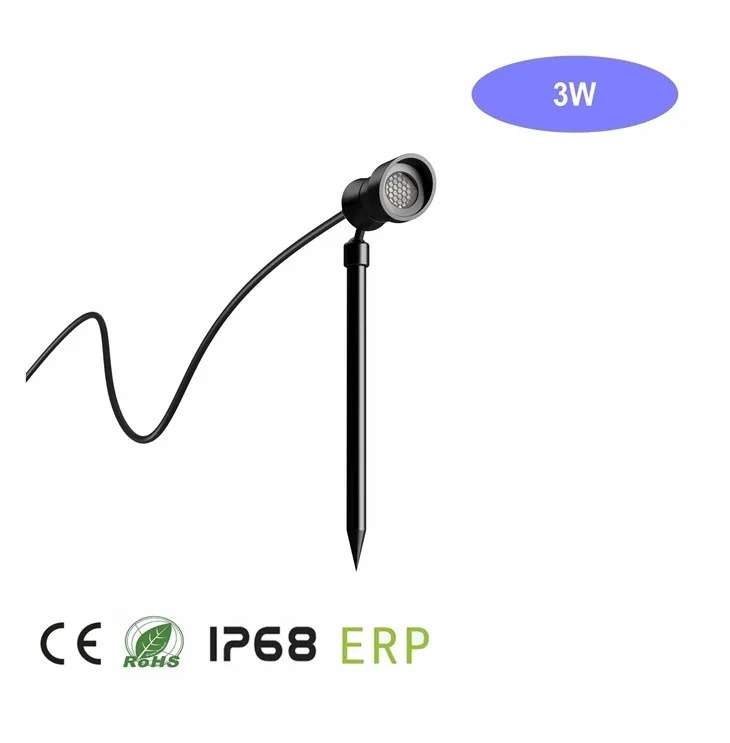
Garden spike lights can be used to highlight the beauty of plants and trees in a Japanese garden. By placing spike lights at the base of a tree or shrub, you can create a dramatic uplighting effect that showcases the plant's shape and texture. This can be particularly effective at night when the contrast between the illuminated plant and the surrounding darkness creates a striking visual impact.
Illuminating Paths and Walkways
One of the primary functions of lighting in a Japanese garden is to provide safe passage along paths and walkways. Garden spike lights can be placed along the edges of paths to create a soft, guiding light that helps visitors navigate the garden at night. The low profile of spike lights also ensures that they do not obstruct the view of the garden's other features.
Creating a Sense of Depth and Dimension
Spike lights can be used to create a sense of depth and dimension in a Japanese garden. By strategically placing lights at different heights and angles, you can create a layered lighting effect that adds visual interest and makes the garden appear larger and more spacious. For example, you could use taller spike lights to illuminate the upper branches of a tree, while shorter lights can be used to highlight ground-level plants and features.
Enhancing Water Features
Water features are an important element of Japanese gardens, and garden spike lights can be used to enhance their beauty and tranquility. By placing spike lights in or around a pond or stream, you can create a shimmering effect that mimics the movement of water. This can add a sense of serenity and relaxation to the garden, making it the perfect place to unwind after a long day.
Choosing the Right Garden Spike Lights for a Japanese Garden
When choosing garden spike lights for a Japanese garden, it is important to consider the following factors:
- Style: Look for spike lights that have a simple, minimalist design that complements the aesthetic of a Japanese garden. Avoid lights that are too flashy or decorative.
- Color Temperature: As mentioned earlier, warm, natural colors are preferred in Japanese gardens. Look for spike lights with a color temperature of around 2700K to 3000K, which will create a cozy and inviting atmosphere.
- Brightness: The brightness of the spike lights should be appropriate for the size and layout of the garden. Avoid using lights that are too bright, as this can be overwhelming and detract from the garden's peaceful atmosphere.
- Durability: Since garden spike lights will be exposed to the elements, it is important to choose lights that are durable and weather-resistant. Look for lights that are made from high-quality materials, such as stainless steel or aluminum, and have a waterproof rating of at least IP65.
Installation Tips
Proper installation is key to ensuring that your garden spike lights look their best and function properly in a Japanese garden. Here are some installation tips to keep in mind:
- Plan the Layout: Before installing the spike lights, take the time to plan the layout of the garden and decide where you want to place the lights. Consider the location of plants, trees, paths, and water features, as well as the overall design and atmosphere of the garden.
- Dig the Holes: Use a small shovel or post-hole digger to dig holes for the spike lights. The holes should be deep enough to ensure that the lights are stable and secure.
- Insert the Lights: Carefully insert the spike lights into the holes and make sure they are level. Use a level to check the alignment of the lights and adjust them as needed.
- Connect the Wires: If your spike lights are wired, connect the wires according to the manufacturer's instructions. Make sure the connections are secure and waterproof.
- Test the Lights: Once the lights are installed, test them to make sure they are working properly. If any of the lights are not working, check the connections and replace any faulty bulbs or fixtures.
Conclusion
In conclusion, garden spike lights can be a great addition to a Japanese garden, enhancing its beauty, functionality, and atmosphere. By choosing the right spike lights and installing them carefully, you can create a stunning lighting design that complements the unique characteristics of a Japanese garden.
If you are interested in purchasing Garden Spike Lights for your Japanese garden or any other outdoor space, please feel free to contact us. Our team of experts is available to help you choose the right lights for your needs and provide you with professional installation services. We look forward to working with you to create the perfect lighting solution for your garden.
References
- "The Art of Japanese Gardens" by Marc Pijanowski
- "Japanese Garden Design" by Peter Korn
- "Zen Gardens: Designing with Nature" by Shunmyo Masuno


