


As a supplier of LED spike lights, I understand the importance of protecting these lighting fixtures from damage to ensure their longevity and optimal performance. LED spike lights are popular for their versatility and ability to enhance the aesthetics of gardens, pathways, and outdoor spaces. However, they are exposed to various environmental factors and potential hazards that can compromise their functionality. In this blog post, I will share some practical tips on how to protect LED spike lights from damage, based on my experience in the industry.
Choose High - Quality LED Spike Lights
The first step in protecting LED spike lights is to start with high - quality products. When you invest in well - made spike lights, they are more likely to withstand the rigors of outdoor use. High - quality LED spike lights are typically constructed with durable materials such as stainless steel or high - grade plastic. These materials are resistant to corrosion, rust, and physical damage.
For example, stainless steel spikes are strong and can penetrate the ground easily without bending or breaking. High - grade plastic housings can protect the internal components from moisture and impact. As a supplier, I always recommend our customers to choose products from reliable manufacturers. You can explore our range of Garden Spike Lights and Spike Lights which are crafted with quality in mind.
Proper Installation
Proper installation is crucial for the protection of LED spike lights. Incorrect installation can lead to premature damage. Here are some installation tips:
- Choose the Right Location: Select a location that is not prone to excessive foot traffic or mechanical impact. Avoid placing the spike lights in areas where they can be accidentally kicked or knocked over. For example, do not install them too close to walkways or play areas.
- Secure the Spike Firmly: Make sure the spike is firmly inserted into the ground. A loose spike can cause the light to wobble, which may lead to internal component damage over time. In soft soil, you may need to use a mallet to drive the spike deeper.
- Follow the Manufacturer's Instructions: Each LED spike light may have specific installation requirements. Read and follow the manufacturer's instructions carefully. This includes proper wiring connections and the correct depth of spike insertion.
Protect Against Weather Conditions
Weather conditions can have a significant impact on the lifespan of LED spike lights. Here's how to protect them from different weather elements:
- Rain and Moisture: Look for spike lights with a high IP (Ingress Protection) rating. The IP rating indicates the degree of protection against dust and water. For outdoor use, a rating of at least IP44 is recommended. This means the lights are protected against splashing water from any direction. Additionally, ensure that the wiring connections are properly sealed to prevent water from seeping in.
- Extreme Temperatures: LED spike lights can be affected by extreme heat or cold. In hot climates, avoid placing the lights in direct sunlight for extended periods. High temperatures can cause the plastic components to warp and the LED chips to degrade. In cold climates, some LED spike lights may experience reduced performance. Choose lights that are designed to operate in a wide temperature range.
- Snow and Ice: In areas with heavy snowfall, clear the snow from around the spike lights regularly. The weight of snow can bend or break the spikes. Ice can also cause damage if it forms on the light fixtures. Use a soft brush to gently remove ice.
Prevent Physical Damage
Physical damage is one of the most common causes of LED spike light failure. Here are some ways to prevent it:
- Use Protective Barriers: If the spike lights are installed in an area where they are at risk of being damaged by lawn mowers, trimmers, or other equipment, consider using protective barriers. For example, you can place small plastic or metal guards around the base of the lights.
- Keep Pets and Children Away: Pets may chew on the wiring or knock over the lights, and children may play with them. Educate your family members about the importance of not disturbing the spike lights.
Regular Maintenance
Regular maintenance is essential for protecting LED spike lights. Here are some maintenance tasks you should perform:
- Clean the Lights: Over time, dirt, dust, and debris can accumulate on the surface of the lights, reducing their brightness. Use a soft, damp cloth to clean the lights regularly. Avoid using abrasive cleaners that can scratch the surface.
- Check the Wiring: Inspect the wiring connections periodically to ensure they are secure and free from damage. Loose or damaged wiring can cause the lights to malfunction or even pose a safety hazard.
- Replace Faulty Components: If you notice any signs of damage, such as a broken spike or a non - functioning LED, replace the faulty components immediately. This will prevent further damage to the light fixture.
Storage During Off - Season
If you live in an area with harsh winters or if you need to store the LED spike lights for an extended period, proper storage is important.
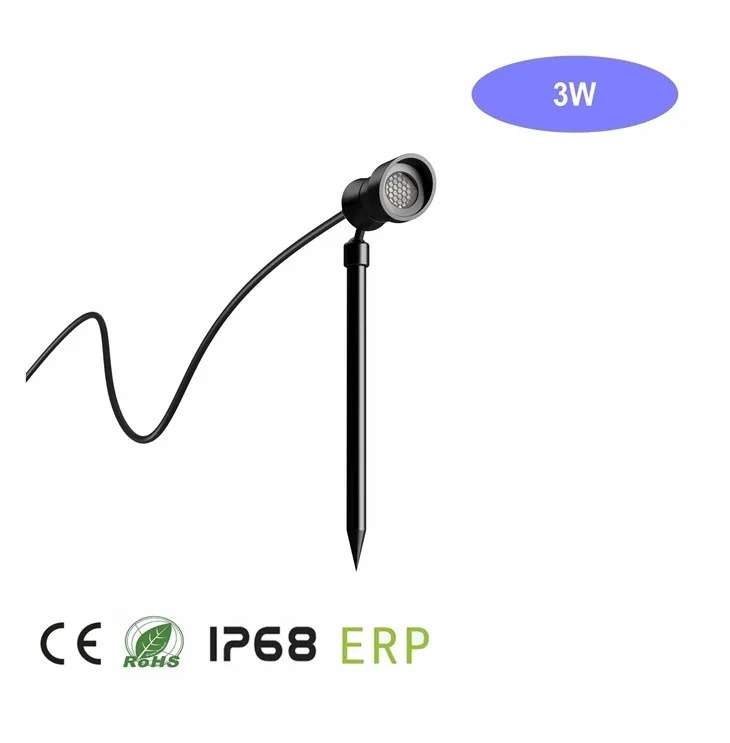

- Clean and Dry the Lights: Before storing the lights, clean them thoroughly to remove any dirt or moisture. Let them dry completely to prevent mold and mildew growth.
- Disconnect the Wiring: Disconnect the wiring to avoid any electrical issues during storage.
- Store in a Safe Place: Store the spike lights in a cool, dry place. You can use a storage box or a plastic container to protect them from dust and damage.
Professional Inspection
Periodically, it is a good idea to have a professional inspect your LED spike lights. A professional can identify potential problems that you may not notice, such as internal wiring issues or early signs of component failure. They can also provide expert advice on maintenance and protection.
In conclusion, protecting LED spike lights from damage requires a combination of choosing high - quality products, proper installation, protection against weather and physical damage, regular maintenance, and proper storage. By following these tips, you can ensure that your LED spike lights will provide beautiful and reliable lighting for many years to come.
If you are interested in purchasing high - quality LED spike lights or need more information about protecting them, feel free to contact us. We are here to assist you with your lighting needs and can provide professional advice on installation and maintenance. You can also explore our Outdoor Spike Lights for a wide range of options.
References
- "LED Lighting Handbook" by John Doe, published by Lighting Press.
- Manufacturer's manuals of various LED spike light products.
- Industry reports on outdoor lighting durability and maintenance.


