


As a seasoned supplier of Garden Spike Lights, I've witnessed firsthand the evolution of lighting technology in outdoor spaces. One of the most significant advancements in recent years has been the shift from traditional garden spike lights to LED alternatives. In this blog post, I'll delve into the key differences between LED and traditional garden spike lights, exploring their features, benefits, and considerations for your outdoor lighting needs.
1. Energy Efficiency
One of the most notable differences between LED and traditional garden spike lights is their energy efficiency. Traditional spike lights typically use incandescent or halogen bulbs, which consume a relatively large amount of energy to produce light. These bulbs work by heating a filament until it glows, a process that is not very efficient and results in a significant amount of energy being wasted as heat.
On the other hand, LED (Light Emitting Diode) lights are highly energy - efficient. LEDs convert a much higher percentage of electrical energy into light, with very little wasted as heat. This means that LED garden spike lights can produce the same amount of light as traditional bulbs while using up to 80% less energy. For homeowners and commercial property owners, this translates into lower electricity bills over time. If you're looking for energy - efficient Outdoor Spike Lights, LED is the clear choice.
2. Lifespan
The lifespan of a light source is another crucial factor to consider. Traditional incandescent and halogen bulbs have a relatively short lifespan. Incandescent bulbs typically last for about 1,000 hours, while halogen bulbs may last up to 2,000 - 3,000 hours. This means that you'll need to replace these bulbs frequently, which can be both time - consuming and costly, especially if you have a large number of garden spike lights.
LED garden spike lights, however, have an incredibly long lifespan. On average, LEDs can last for 25,000 to 50,000 hours or even more. This extended lifespan means that you won't have to worry about replacing bulbs as often, reducing maintenance costs and the hassle of constantly changing bulbs in your outdoor lighting fixtures. With LED Garden Spike Lights, you can enjoy long - term, hassle - free lighting.
3. Light Quality
The quality of light produced by LED and traditional garden spike lights also differs significantly. Traditional incandescent bulbs emit a warm, yellow - white light that is similar to natural sunlight. While this type of light can create a cozy and inviting atmosphere, it may not be as bright or focused as some users would like. Halogen bulbs, on the other hand, produce a brighter, whiter light, but they can also be more prone to glare.
LED lights offer a wide range of color temperatures, from warm white to cool white. You can choose the color temperature that best suits your outdoor aesthetic and lighting needs. Additionally, LEDs can provide a more focused and directional light, which is ideal for highlighting specific features in your garden, such as plants, statues, or pathways. This ability to control the light direction and color makes LED Spike Lights a versatile option for outdoor lighting design.
4. Durability
When it comes to outdoor lighting, durability is essential. Traditional garden spike lights are often more fragile. Incandescent and halogen bulbs are made of glass, which can easily break if the light fixture is bumped or knocked over. The filaments inside these bulbs are also delicate and can be damaged by vibrations or shocks.
LED garden spike lights are much more durable. They are solid - state devices, meaning they have no fragile filaments or glass components. LEDs are resistant to shocks, vibrations, and impacts, making them ideal for outdoor use. They can withstand harsh weather conditions, including rain, snow, and extreme temperatures, without losing their functionality. This durability ensures that your LED garden spike lights will continue to operate effectively for many years, even in challenging outdoor environments.
5. Environmental Impact
In today's environmentally conscious world, the environmental impact of lighting is an important consideration. Traditional incandescent and halogen bulbs are not very eco - friendly. They consume a large amount of energy, which contributes to higher greenhouse gas emissions. Additionally, these bulbs contain small amounts of mercury in some cases, which can be harmful to the environment if not disposed of properly.
LED lights are a more sustainable option. Their energy efficiency means that they reduce the demand for electricity, which in turn reduces the carbon footprint associated with power generation. LEDs also do not contain mercury or other hazardous materials, making them easier and safer to dispose of at the end of their lifespan. By choosing LED garden spike lights, you can make a positive contribution to the environment.
6. Cost
The initial cost of LED and traditional garden spike lights is often a deciding factor for many consumers. Traditional spike lights with incandescent or halogen bulbs are generally cheaper to purchase upfront. However, when you consider the long - term costs, including energy consumption and bulb replacement, LED lights are actually more cost - effective.
Although the upfront cost of LED garden spike lights may be higher, the savings on energy bills and reduced maintenance costs over time make them a more economical choice in the long run. You'll spend less money on electricity and fewer resources on replacing bulbs, which can offset the initial investment.
Considerations for Choosing the Right Garden Spike Lights
When choosing between LED and traditional garden spike lights, it's important to consider your specific needs and preferences. If you're on a tight budget and need a quick, inexpensive lighting solution, traditional spike lights may be a suitable option. However, if you're looking for long - term savings, energy efficiency, high - quality light, and durability, LED garden spike lights are the better choice.
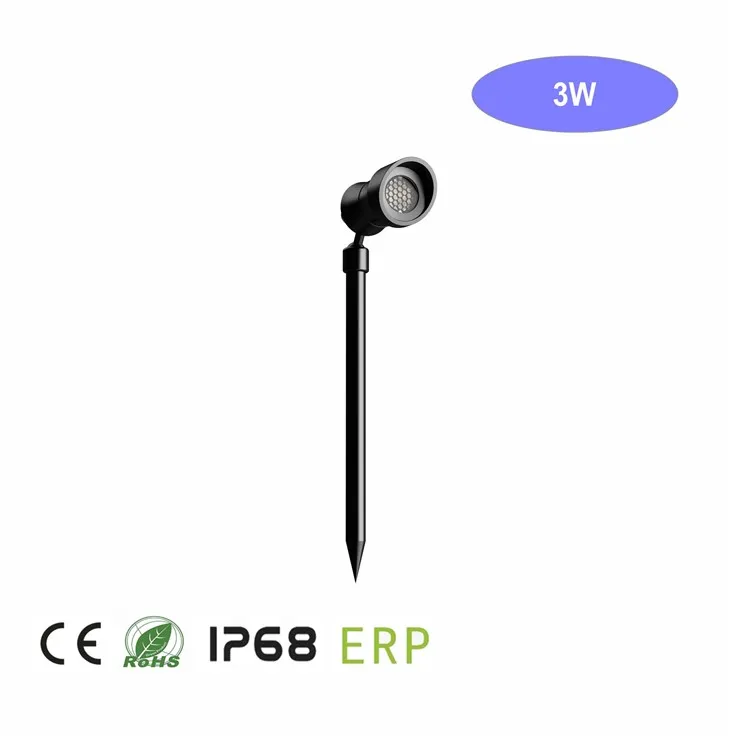

Think about the size of your outdoor space, the type of atmosphere you want to create, and the specific features you want to highlight. Consider the climate in your area and the level of maintenance you're willing to undertake. By carefully weighing these factors, you can make an informed decision that will enhance the beauty and functionality of your outdoor space.
Conclusion
In conclusion, the differences between LED and traditional garden spike lights are significant. LED lights offer numerous advantages, including energy efficiency, long lifespan, high - quality light, durability, environmental friendliness, and long - term cost savings. As a supplier of Garden Spike Lights, I highly recommend LED lights for their superior performance and value.
If you're interested in upgrading your outdoor lighting or are in the market for new garden spike lights, I invite you to explore our range of products. We offer a wide selection of LED Garden Spike Lights that are designed to meet the diverse needs of our customers. Whether you're looking for a warm, inviting glow or a bright, focused light, we have the perfect solution for you.
If you have any questions or would like to discuss your specific lighting requirements, please don't hesitate to contact us. We're here to help you make the best choice for your outdoor lighting project and look forward to the opportunity to work with you.
References
- "LED Lighting Basics." U.S. Department of Energy.
- "The Environmental Impact of Lighting." Environmental Protection Agency.
- "Outdoor Lighting Design Guide." Lighting Research Center.


