


Hey there! As a supplier of Par56 LED bulbs, I often get asked about the radiation levels of these bulbs. It's a valid concern, especially when it comes to lighting products that we use in our daily lives. So, let's dive into what the radiation level of a Par56 LED bulb actually is.
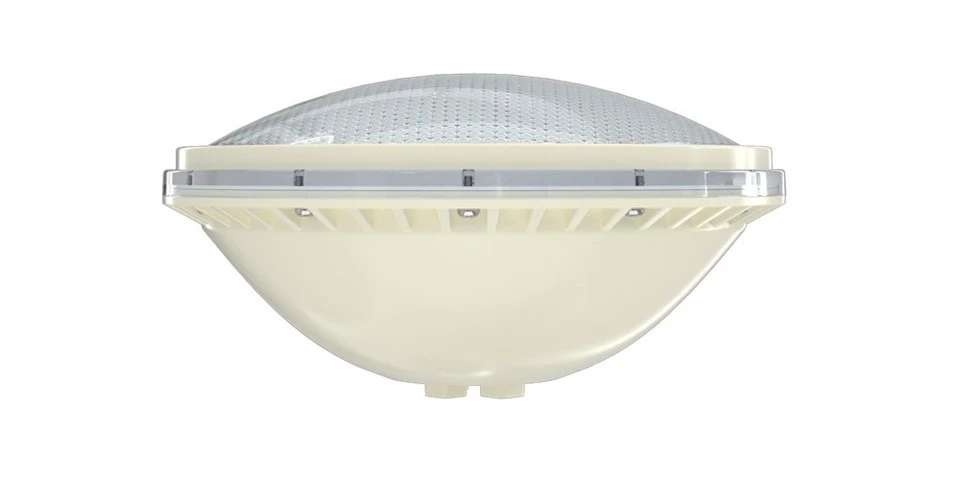
First off, let's understand what Par56 LED bulbs are. These bulbs are a popular choice for a variety of lighting applications, including stage lighting, architectural lighting, and even LED Pool Light Par56. They are known for their high brightness and energy - efficiency.
Now, when we talk about radiation, we're mainly concerned with two types: visible light and non - visible light. Visible light is what we can see, and it's an essential part of our visual experience. Non - visible light includes ultraviolet (UV) and infrared (IR) radiation.
Let's start with visible light. Par56 LED bulbs are designed to emit a high amount of visible light. They use light - emitting diodes (LEDs), which are semiconductor devices that convert electrical energy into light. The spectrum of visible light emitted by Par56 LED bulbs can be customized. For example, some bulbs are designed to emit a warm white light, similar to traditional incandescent bulbs, while others emit a cool white light, which is great for task lighting. The amount of visible light is measured in lumens. A typical Par56 LED bulb can emit anywhere from a few hundred to several thousand lumens, depending on its power and design.
When it comes to non - visible light, specifically UV and IR radiation, Par56 LED bulbs have a significant advantage over traditional lighting sources. Incandescent bulbs, for instance, emit a large amount of IR radiation. This is because they work by heating a filament until it glows, and a lot of the energy is wasted as heat (IR radiation). On the other hand, Par56 Led 12v bulbs produce very little IR radiation. LEDs are much more efficient at converting electrical energy into visible light, so less energy is lost as heat.
As for UV radiation, Par56 LED bulbs also have a low emission. Traditional fluorescent bulbs can emit a small amount of UV radiation, which can be a concern, especially in applications where people are exposed to the light for long periods. LED technology, however, is designed to minimize UV emissions. The semiconductor materials used in LEDs are engineered to produce light in the visible spectrum, with very little spill - over into the UV range.
To measure the radiation levels of Par56 LED bulbs, manufacturers use specialized equipment. They test the bulbs to ensure that they meet safety standards. These standards are in place to protect consumers from excessive exposure to non - visible radiation. For example, in the United States, the Federal Communications Commission (FCC) and the Food and Drug Administration (FDA) have regulations regarding the radiation emissions of lighting products.
The low radiation levels of Par56 LED bulbs make them a great choice for many applications. In the entertainment industry, for example, they are used in stage lighting because they produce less heat and UV radiation, which can damage costumes and set designs. In residential and commercial lighting, they are a safer option, especially in areas where people spend a lot of time, like offices and living rooms.
Another advantage of the low radiation levels is energy efficiency. Since less energy is wasted as non - visible radiation, Par56 LED bulbs can save a significant amount of energy compared to traditional bulbs. This not only reduces electricity bills but also has a positive impact on the environment.
If you're in the market for a reliable and low - radiation lighting solution, Par 56 LED Lamp is definitely worth considering. Whether you need it for a pool, a stage, or your home, these bulbs offer high - quality lighting with minimal radiation concerns.
If you're interested in purchasing Par56 LED bulbs, I'd love to have a chat with you. We can discuss your specific lighting needs, and I can help you choose the right bulbs for your application. Whether you need a small quantity for a home project or a large order for a commercial installation, we can work together to find the best solution.
References

- "Lighting Basics: Understanding Visible and Non - Visible Light", Lighting Research Center
- "LED Lighting Technology and Safety", National Institute of Standards and Technology


