

Pool Light Winterization: Off-Season Maintenance & Freeze Protection Guide
Last updated: November 2, 2026 · Reviewed by the Sundylighting Technical Team (10+ years in underwater lighting design and installation).
Winter is when most pool lighting failures actually begin. Freezing temperatures, dropping water levels, and aging seals combine to stress fixtures in ways summer operation never exposes. The good news: with a structured off-season routine, most of that damage is preventable - and it takes less than an afternoon.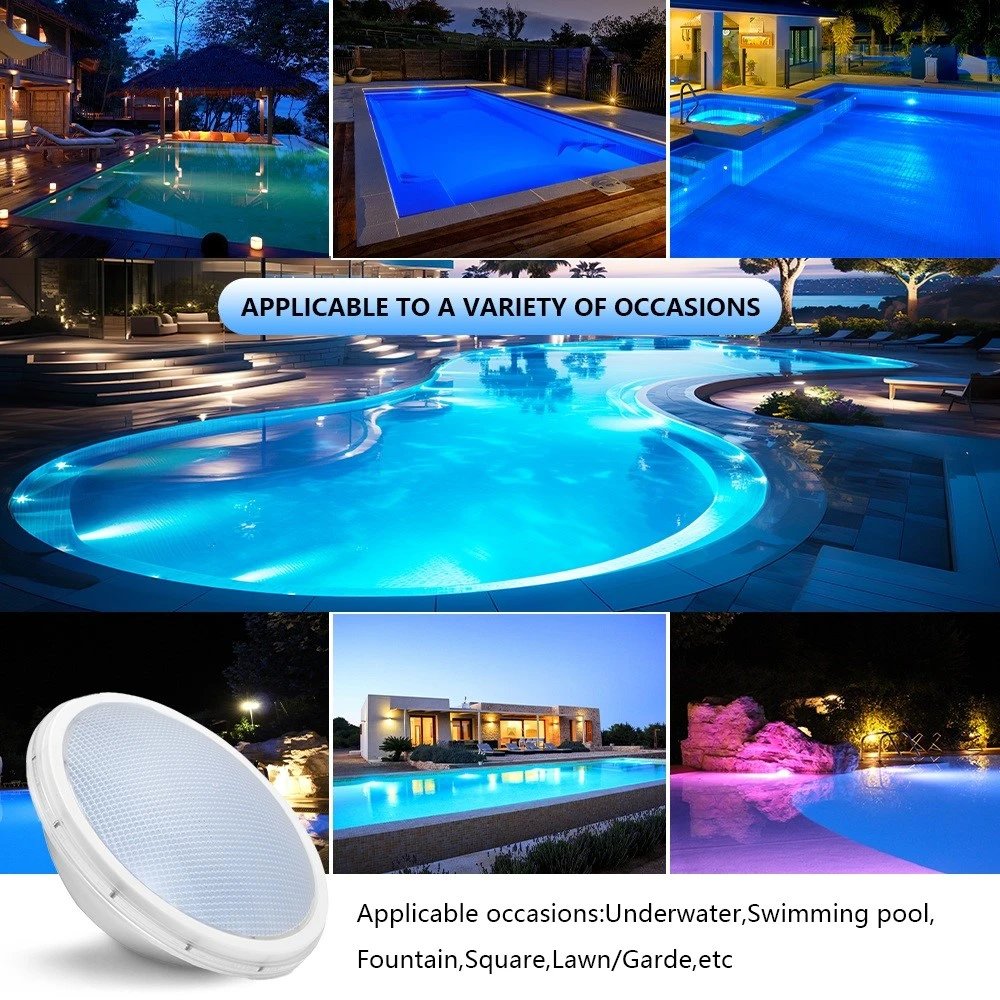
1. Why Off-Season Pool Light Care Matters
1.1 What "Winterizing Pool Lights" Actually Means
Winterizing your pool lighting means preparing underwater fixtures, electrical connections, seals, and housings for cold weather or seasonal shutdown. It is not the same as closing the pool itself - lighting maintenance centers on watertight enclosures, electrical safety, and fixture-specific requirements.
For broader water-safety context, consult the CDC healthy swimming guidance.
1.2 What Happens When Pool Lights Are Left Untreated Over Winter
Common outcomes when fixtures are not prepared:
Cracked lenses or stress-fractured housings from ice expansion
Deteriorated gaskets and waterproof seals
Moisture intrusion, corrosion, and internal component failure
Electrical faults that surface only when you power the system back on in spring
Water expands by roughly 9% as it freezes, and that expansion finds the weakest sealed point first. While freezing alone does not guarantee failure, a fixture with a worn seal becomes dramatically more vulnerable.
1.3 Which Pools Need the Most Freeze Protection
| Pool Type | Winter Exposure | Recommended Action |
|---|---|---|
| Inground outdoor | Moderate to severe freezing | Verify fixture specs and approved closing procedures |
| Above-ground | Variable exposure | Inspect lights and follow system instructions |
| Indoor | Usually limited freezing | Routine inspection and moisture monitoring |
The safest pool light freeze protection plan starts from your specific installation - not from generic rules.
Explore Sundylighting underwater lighting systems when evaluating fixtures for seasonal environments.
2. How to Winterize Pool Lights: 6-Step Guide
The core routine is: identify → isolate → inspect → coordinate → protect → document. Work through the steps in order.
2.1 Step 1: Identify Your Fixture Type and Manufacturer
Confirm whether your light uses LED, halogen, wet-niche, or nicheless technology. Note the model number and pull up the manufacturer's installation manual before touching anything. Exact procedures vary by model - never assume.
2.2 Step 2: Isolate Power and Confirm Electrical Safety
Switch off the dedicated lighting circuit using the approved shutdown procedure. A wall switch alone may not isolate every supply. Electrical testing, disconnection, and repairs belong with qualified personnel.
Applicable requirements are covered by NFPA 70 pool electrical safety.
⚠️ Never open or remove an underwater lighting assembly without proper qualifications and the manufacturer's instructions.
2.3 Step 3: Inspect the Lens, Housing, and Seals
From a safe, accessible position, check for:
Cracks or lens discoloration
Condensation behind the lens
Corrosion or housing damage
Visible deterioration around accessible seals
Photograph anything unusual. Do not open sealed components for inspection.
2.4 Step 4: Coordinate the Winter Water Level
Winter water levels depend on pool construction, cover design, plumbing, and lighting specs. Some fixtures must stay submerged during operation; over-draining can expose equipment and create other pool-related risks. Follow the approved closing plan rather than choosing an arbitrary waterline.
2.5 Step 5: Apply Approved Fixture Protection
Some fixtures stay installed all winter; others need professional servicing. Avoid improvised wraps, unapproved sealants, or cable modifications. Use only the manufacturer's approved procedures for housings, gaskets, and wiring.
For product-specific questions, ask the Sundylighting team about pool light maintenance.
2.6 Step 6: Document and Plan the Spring Check
Record fixture models, visible conditions, shutdown dates, and unresolved concerns. Before reopening, inspect the system again and have any suspected electrical damage verified professionally.
Six-step summary - how to winterize pool lights:
Identify the fixture and manual.
Isolate the lighting supply safely.
Inspect visible components.
Confirm the approved winter water level.
Apply manufacturer-approved protection.
Document conditions for spring reopening.
Download the printable pool light winterization checklist below and keep it with your maintenance records through closing.
3. LED vs Halogen Pool Lights in Winter
3.1 Do LED Pool Lights Need Winterization?
Yes. LED technology improves efficiency, but it does not make a fixture freeze-proof. LED assemblies still depend on properly designed housings, seals, and connections. See Energy.gov's LED lighting overview for background.
3.2 How Halogen Fixtures Respond to Shutdown
Halogen units typically use replaceable lamps, gaskets, lenses, and housings. Aging gaskets or damaged enclosures raise moisture-intrusion risk, so visual inspection matters here especially.
3.3 Which System Is Easier to Maintain in Cold Climates?
| Factor | LED Pool Lights | Halogen Pool Lights |
|---|---|---|
| Light source | Solid-state LEDs | Halogen bulb |
| Energy use | Generally lower | Generally higher |
| Maintenance | Design-dependent | Design-dependent |
| Freeze resistance | Not guaranteed | Not guaranteed |
| Serviceability | Varies by model | Varies by model |
Fixture construction, install quality, and manufacturer support matter more than light-source technology alone. Compare energy-efficient LED pool light options if you are evaluating an upgrade.
4. Best Freeze Protection Methods by Climate
The right approach depends on local weather, fixture design, water exposure, and whether the pool stays operational.
4.1 Mild-Winter Regions: Inspection and Moisture Control
Where freezing is minimal, a full shutdown may be unnecessary. Focus on visible enclosure damage, moisture intrusion, and manufacturer-recommended maintenance.
4.2 Moderate-Freeze Regions: Coordinate Water Level and Equipment
Occasional freeze-thaw cycles call for tight coordination between lighting requirements and the closing plan. Cross-check historical freeze data from NOAA against your equipment documentation.
4.3 Severe-Freeze Regions: Professional Closing Plans
Extended freezing demands installation-specific planning and often professional assessment.
| Climate | Main Concern | Priority |
|---|---|---|
| Mild | Moisture and seal wear | Routine inspection |
| Moderate | Freeze-thaw cycles | Verify closing procedures |
| Severe | Prolonged freezing | Professional assessment |
For most homeowners, protecting pool lights from freezing comes down to three things: following model-specific procedures, managing water levels correctly, and fixing damaged equipment before winter.
5. Common Pool Light Winterization Mistakes
Avoiding preventable errors is central to reliable off-season care.
5.1 Assuming Every Pool Light Needs the Same Treatment
Fixture designs differ. Never apply instructions from an unrelated model without confirming compatibility.
5.2 Draining the Pool Without Checking Fixture Requirements
Over-draining exposes fixtures and disrupts other systems. Confirm the approved water level before closing.
5.3 Ignoring Condensation, Cracks, and Seal Damage
Moisture behind a lens or visible housing damage usually signals a compromised enclosure. Document it and arrange professional inspection rather than continuing operation.
5.4 Using Unapproved Sealants or DIY Electrical Repairs
Improvised waterproofing can void listings and create hazards. Use approved replacement parts and qualified electricians.
| Common Mistake | Better Approach |
|---|---|
| Skipping model verification | Read the manufacturer's manual |
| Arbitrary draining | Follow the closing plan |
| Ignoring moisture | Arrange inspection |
| DIY electrical repairs | Hire qualified personnel |
| Skipping spring checks | Inspect before operation |
Use the pool light winterization checklist below to stay consistent.
6. Pool Light Winterization Checklist: Before, During, After
A structured routine keeps records consistent and surfaces problems early.
6.1 Before Winter
Identify lighting models.
Review manufacturer instructions.
Check for visible damage.
Photograph fixture conditions.
6.2 During Winter
Observe pool and cover conditions safely.
Monitor water levels per the closing plan.
Report unusual conditions to a qualified professional.
6.3 Spring Reopening
Inspect lenses and housings.
Confirm approved operating water levels.
Resolve suspected electrical faults.
Verify readiness before energizing lights.
| Phase | Recommended Timing |
|---|---|
| Pre-winter inspection | Before seasonal closing |
| Shutdown verification | During closing |
| Winter monitoring | As required |
| Spring inspection | Before lighting operation |
Get the printable checklist. Save or print the tasks above as your permanent maintenance reference.
7. When to Call a Professional
7.1 What Homeowners Can Safely Do
Homeowners can review documentation, identify fixtures, record visible conditions, and arrange maintenance. Leave inaccessible electrical equipment alone.
7.2 What Requires a Qualified Professional
Professional help is necessary for electrical fault diagnosis, wiring repairs, fixture servicing, and suspected water intrusion. Follow applicable pool electrical safety standards and local licensing rules.
7.3 How to Choose a Provider
Look for proper licensing, insurance, experience with your fixture model, and a written service scope. Ask providers to explain how their recommendations align with the manufacturer's specs.
| Task | Homeowner | Professional |
|---|---|---|
| Review manuals | Yes | Yes |
| Document visible damage | Yes | Yes |
| Test electrical circuits | No | Yes |
| Repair wiring | No | Yes |
| Service compromised enclosures | No | Yes |
Need help protecting your fixtures this winter? Contact Sundylighting for pool lighting product guidance, or consult a qualified local service provider for on-site electrical work.
8. FAQ: Pool Light Winterization
Do LED pool lights need winterization? Yes, when seasonal conditions require it - LED fixtures still contain electrical components and enclosures that need care.
Should I remove pool lights before winter? Not necessarily. Many fixtures stay installed. Follow model-specific instructions, and arrange qualified servicing if removal is required.
Can pool lights stay underwater during winter? Many can remain submerged. Installation conditions and manufacturer requirements determine the correct approach.
What happens if water freezes around a pool light? Freezing water stresses vulnerable components and compromised enclosures. Damage depends on construction, exposure duration, and installation.
How do I know if a pool light has water damage? Warning signs include condensation, visible water behind the lens, corrosion, discoloration, or abnormal operation. Do not operate suspected damaged equipment.
Can I turn on pool lights during winter? Only when the fixture is approved for current conditions, including water level and installation status. Never energize visibly damaged or inadequately submerged equipment.
When should I inspect pool lights after winter? Before spring reopening and before switching the system on. If damage or electrical servicing occurred, arrange professional verification first.
For more, visit Sundylighting.
9. Final Recommendations: Protect Your Pool Lighting Investment
Reliable off-season care comes down to three priorities:
Follow manufacturer requirements - identify your exact fixture and its approved maintenance procedures.
Coordinate pool and lighting protection - confirm suitable water levels and shutdown conditions.
Prioritize electrical safety - leave repairs and verification to qualified professionals.
Preparing early reduces avoidable problems and makes spring reopening far smoother. Whether you are maintaining an existing install or planning an upgrade, Sundylighting is a solid starting point for exploring underwater lighting options.
Ready to plan your next pool lighting project? Explore underwater pool lighting solutions and contact Sundylighting for product information and technical inquiries.
About the Author
*This guide was written by the Sundylighting Technical Team - engineers and installers with 10+ years of combined experience designing underwater lighting systems for residential and commercial pools. Contact us with installation, maintenance, or product questions.


